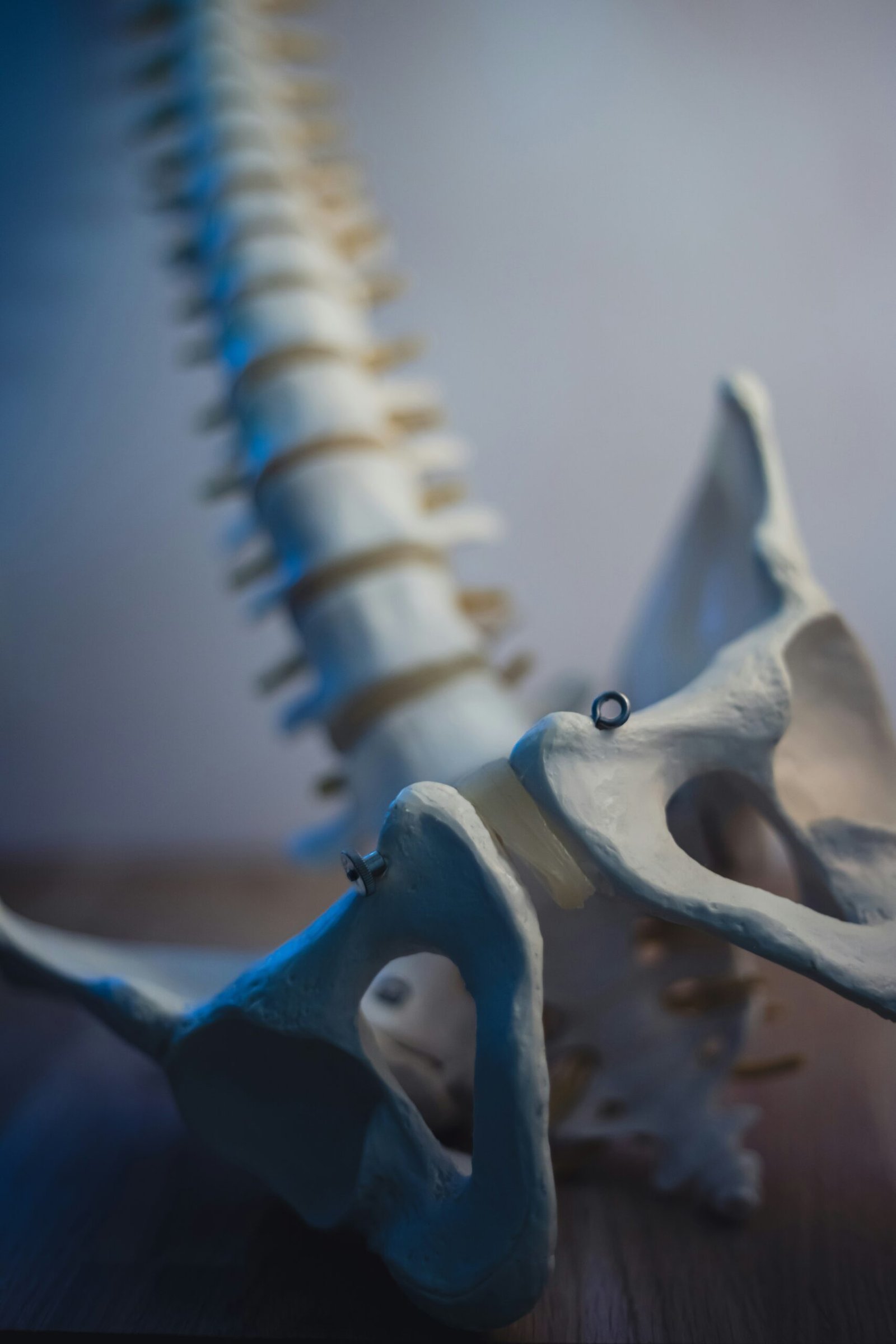
Scoliosis generally begins as a slight curvature of the spine that progressively becomes more pronounced. A diagnosis of scoliosis requires the presence of a minimum 60-degree lateral curvature of the spine. Regrettably, once the condition reaches this stage, individuals often face significant health complications. However, early detection and appropriate chiropractic care can prevent the curvature from worsening if the spinal bending is identified before it advances to this critical point.
Extensive research has been conducted to understand the causes of scoliosis, yet there remains a lack of consensus regarding its origins. Nevertheless, studies indicate that scoliosis is more prevalent among young adolescent females compared to males of any age.
Starting Off Small
A minor misalignment of a single vertebra can often initiate a slight bend in the spine. Over time, the body adapts to this abnormality, leading to the development of “S” and “C” shaped curves in the spine. Typically, parents and children first identify scoliosis through noticeable deformities in the shoulders and pelvis. Unlike many other spinal conditions, scoliosis cannot be corrected simply by improving posture.
While the majority of scoliosis cases occur in younger individuals, it is crucial to understand that this condition can also manifest in older adults. As individuals age, degenerative issues such as osteoporosis may cause the vertebrae to lose their natural shape. Consequently, the body compensates by forming lateral curves in the spine to maintain head alignment. If the underlying cause of this curvature is not addressed, it may lead to significant complications, including cardiovascular and respiratory issues.
An X-ray examination conducted by your chiropractor is the most reliable method for detecting spinal curvature. Chiropractors will also assess the hips and shoulders, as well as examine the legs for discrepancies in length, which may indicate the onset of scoliosis.
Chiropractic Care for Scoliosis
Chiropractic care has been shown through extensive research to effectively slow or halt the progression of scoliosis. Most chiropractors possess the necessary resources and expertise to deliver appropriate care, potentially helping you avoid more invasive or surgical treatment options.
The chiropractor will conduct a thorough assessment of your health history to identify factors that may contribute to scoliosis, including occupational influences, lifestyle choices, past injuries, and recreational activities. Once these factors are evaluated, the chiropractor will likely perform targeted spinal adjustments aimed at correcting the body’s compensatory mechanisms and facilitating the restoration process.
For any inquiries regarding scoliosis or chiropractic care, please feel free to contact our team at Holcomb Chiropractic.